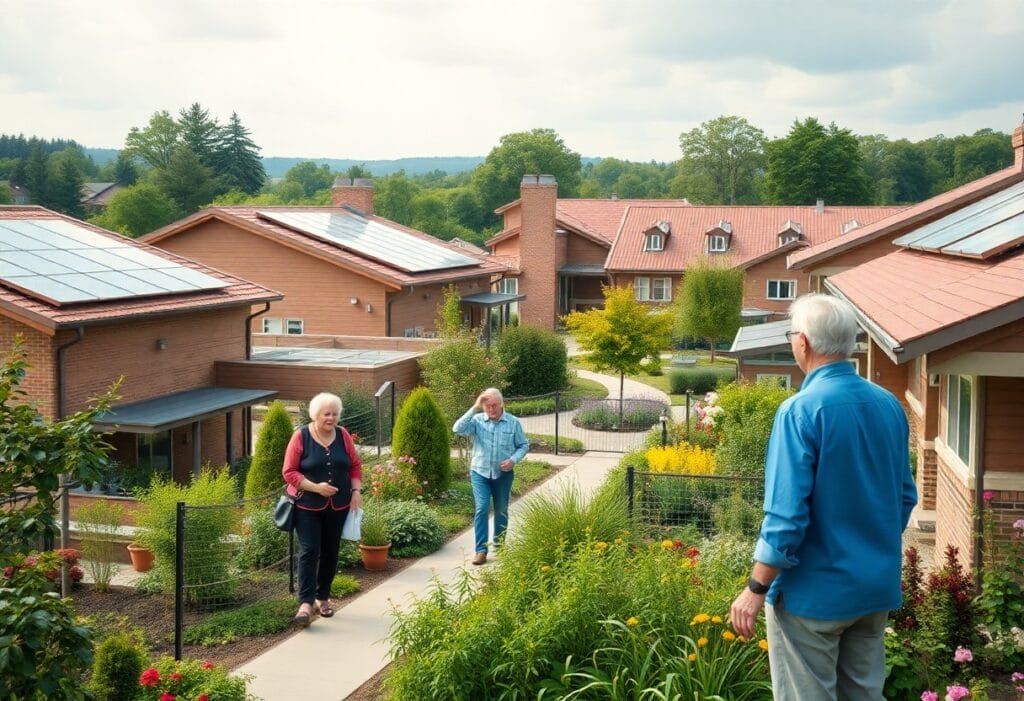
This guide will help you create a retirement business that not only supports your lifestyle but also contributes positively to the planet. You’ll discover innovative ideas that align with sustainable practices, ensuring your venture is both profitable and environmentally friendly. By focusing on your passions and making mindful choices, you can build a business that thrives while promoting a better world. Let’s dive in and inspire your journey towards a fulfilling retirement business!
Key Takeaways:
- Focus on identifying market needs that align with sustainability principles.
- Incorporate technology and innovative practices to enhance efficiency and reduce environmental impact.
- Build partnerships with like-minded organizations to leverage resources and expand reach.
Crafting Your Vision: Aligning Passion with Purpose
Mapping Your Personal Values to Business Goals
Your passion forms the backbone of your sustainable retirement business. Aligning it with your personal values enhances authenticity and fosters deeper connections with your audience. To map out these values, start by identifying what matters most to you—be it environmental stewardship, social justice, or community engagement. Incorporate these core beliefs into your business goals. For example, if reducing plastic waste is vital to you, consider offering eco-friendly products that support this mission, thereby merging your personal ethos with tangible business objectives.
Consistent reflection on your values can help you adapt your business strategy over time. Set specific, measurable goals that mirror your values, and create a mission statement that encapsulates this alignment. This fusion not only sets a clear direction but also attracts like-minded customers who share your vision. Engaging with your community to confirm that your values resonate with them can also solidify your business approach.
Identifying Market Gaps in Sustainable Practices
Evaluating the current marketplace reveals numerous opportunities for innovative solutions in sustainability. Analyze existing products and services to pinpoint areas lacking eco-friendly alternatives. For example, consider sectors where conventional practices cause excessive waste or carbon emissions. Research shows that the global green technology market is estimated to reach $3 trillion by 2025, indicating a vast arena ripe for disruption.
Speak directly with potential customers to discern their frustrations with existing options. This feedback can uncover gaps in the market where your business can provide solutions. For instance, an increase in demand for local organic foods indicates a longing for transparency and sustainability in sourcing. By identifying these gaps, you can tailor your offerings to address pressing needs, ensuring your business is not just another player, but a leader in sustainable practices.
Identifying Market Gaps in Sustainable Practices
Market research plays a significant role in uncovering opportunities for sustainable ventures. By studying trends and consumer behavior, it becomes evident that many industries still lack comprehensive sustainability solutions. For instance, in the fashion industry, only 20% of brands prioritize ethical sourcing, leaving a considerable gap for new businesses focusing on fair trade and eco-friendly materials. Additionally, integrating technology into sustainability, such as apps that help consumers track their carbon footprint, can offer innovative business prospects. Focusing on these deficiencies will not only provide a unique value proposition but will also empower your business to contribute meaningfully to environmental sustainability.
Innovative You: Generating Sustainable Business Ideas
Brainstorming Techniques for Eco-Friendly Ventures
One effective way to generate sustainable business ideas is through collaborative brainstorming sessions. Involve friends, family, or colleagues, creating a diverse group that brings varied perspectives. Use techniques like mind mapping, where you visually organize ideas around a central theme of sustainability, allowing *unique connections to emerge*. Explore questions like “What problems in your community need solving?” or “How could renewable resources be integrated into existing services?” These prompts can lead to a range of innovative concepts.
Additionally, consider utilizing online platforms that specialize in idea generation. Websites that focus on environmental solutions offer valuable resources for inspiration. For instance, exploring the list of 67 Sustainable Business Ideas in 2025 can kickstart your creativity. Combine ideas from various sources and adjust them to fit your unique strengths and interests, helping you develop a business model anchored in sustainability.
Leveraging Global Trends for Local Opportunities
Global shifts such as the movement towards renewable energy and the rise of conscious consumerism present an array of opportunities for localized ventures. For example, you might consider offering solar panel installation services in your community, aligning with the increasing demand for sustainable energy solutions. Mapping out trends can help identify gaps in your local market that relate to global movements, making your business not only innovative but also relevant and timely.
Tapping into social media trends can also provide insights into what consumers care about now. As more people prioritize sustainability in their purchasing decisions, aligning your services with these interests can lead to stronger customer loyalty. Building collaborative partnerships with local businesses that share a similar vision can amplify your impact while also tapping into their customer base.
Utilizing resources such as market research reports can help you identify specific trends affecting your area, guiding you to craft services that meet local needs while embracing environmental sustainability. This way, you can align your business objectives with broader global goals, ensuring your venture stands out in an increasingly competitive landscape.
Building a Sustainable Financial Framework
A sustainable financial framework serves as the backbone of your retirement business model, ensuring longevity and resilience. To achieve this, you must first identify the core elements that drive your financial health, including revenue streams, expense management, and profit margins. By performing a thorough analysis of your current and projected financial status, you can create a roadmap that aligns with your vision. Consider leveraging innovative financial models that prioritize sustainability, such as those outlined in The Financial Model I’m Working Toward that isn’t FIRE or traditional retirement. This resource can guide you in crafting a financial structure that integrates environmental considerations and social responsibility into your profitability strategies.
Designing Performance Metrics for Longevity
Establishing performance metrics is vital for measuring the success and impact of your sustainable business endeavors. Focus on metrics that assess not only financial health but also social and environmental outcomes. Key performance indicators (KPIs) might include your customer retention rate, carbon footprint reduction, or community engagement levels. These metrics help you gauge how well you’re meeting your sustainability objectives while driving business growth.
A practical approach involves setting both short-term and long-term targets. For instance, you could aim to achieve a specific percentage increase in sustainable product sales within the first year while targeting more ambitious goals like achieving carbon neutrality within five years. This dual focus enables you to adapt quickly based on real-time data while ensuring that your long-term vision remains on track.
Navigating Funding Options and Investment Strategies
Funding options for sustainable businesses can vary widely, from traditional bank loans to impact investing and crowdfunding. You might explore platforms dedicated to eco-friendly ventures, which not only provide capital but also align with your values. Beyond conventional financing, consider tapping into grants or subsidies available for businesses committed to sustainability. These funds can help alleviate financial pressure as you grow your operations.
Evaluate various investment strategies to maximize your impact and returns. Many sustainable businesses choose to reinvest profits into green technologies or community initiatives, creating a cycle of positive feedback. By maintaining transparency in your financial goals, and seeking partnerships that align with your mission, you can attract like-minded investors eager to support your efforts.
Exploring funding options also involves understanding the landscape of sustainable finance. Engaging with organizations that specialize in green investments can yield potential capital opportunities. Additionally, alternate financing models, such as revenue-based financing, allow you to pay back investors as your revenues grow, which minimizes upfront financial strain. Identifying the right mix of funding sources will empower you to pursue your mission without compromising on your values.
Implementing Eco-Conscious Operations
Sustainable Supply Chain Practices
Optimizing your supply chain is pivotal in reducing your business’s environmental footprint. Partner with suppliers who prioritize sustainability, and focus on sourcing raw materials that are certified organic or ethically produced. Incorporate practices such as local sourcing to decrease transportation emissions and support your community. Look for suppliers committed to eco-friendly packaging, which not only minimizes waste but also appeals to environmentally conscious customers.
Consider leveraging technology to enhance transparency within your supply chain. Tools like blockchain can track the provenance of materials, ensuring they meet eco-friendly standards. You can make decisions informed by real-time data regarding the sustainability practices of your suppliers, which helps align your operations more closely with your eco-conscious values.
Energy Efficiency and Waste Reduction Strategies
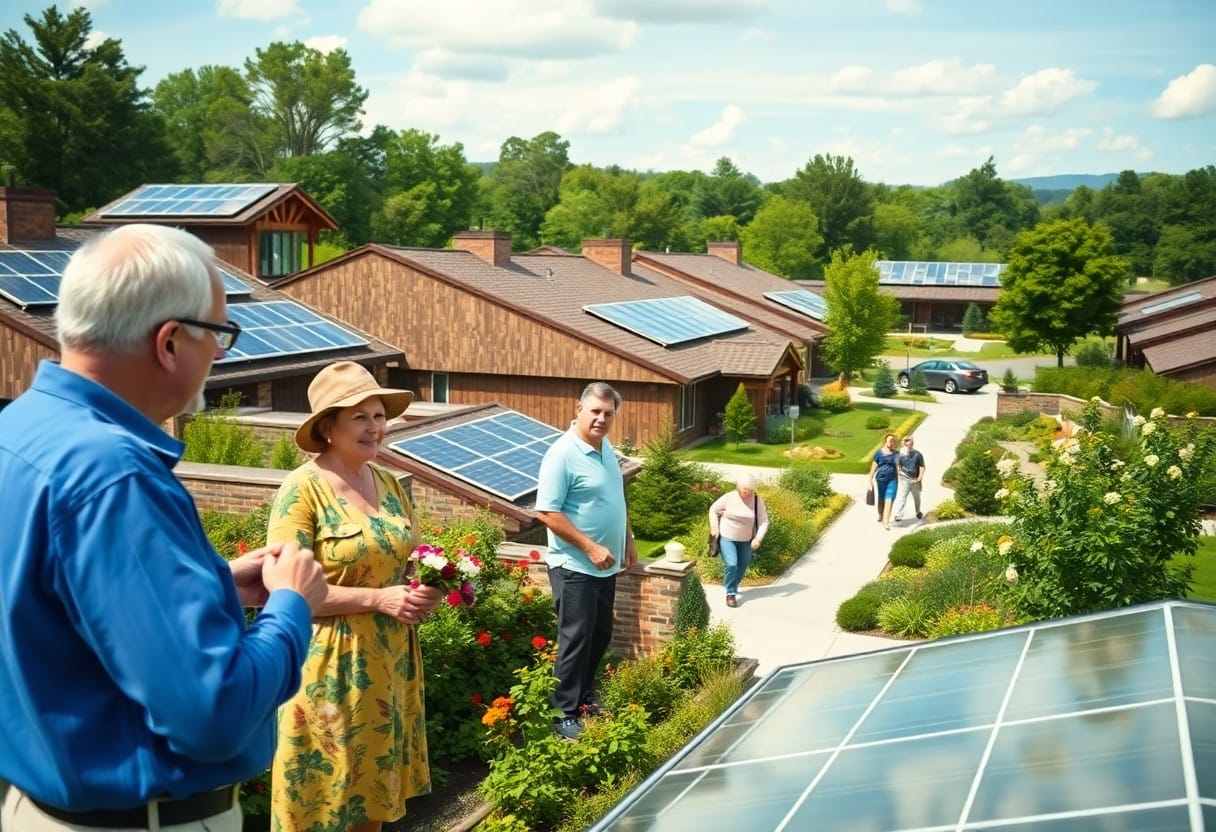
Energy efficiency starts with a thorough audit of your current energy consumption. Transitioning to energy-efficient lighting, such as LED bulbs, can reduce energy use by up to 75% and lower operational costs significantly. Additionally, consider implementing smart thermostats and energy management systems that can adapt usage patterns to optimize efficiency. Investing in renewable energy sources, such as solar panels, can further reduce dependence on non-renewable energy and yield tax benefits in many regions.
Implementing a waste reduction strategy involves assessing your waste generation and looking for ways to minimize it. Adopt practices like zero-waste policies, which encourage recycling, composting, and reducing single-use products. You can also engage your staff in sustainability initiatives, such as creating green teams to promote eco-friendly practices in the workplace. This not only creates a culture of sustainability but can result in measurable cost savings through reduced waste disposal fees.
Regularly reviewing and updating your energy efficiency and waste reduction strategies is necessary. For example, companies that enforce rigorous recycling and composting programs often see a 20-50% reduction in waste generation. Furthermore, tracking metrics related to energy usage and waste produced can highlight areas for improvement and help reinforce your commitment to sustainability, making your business more attractive to eco-conscious consumers.
Engaging the Community: Building Relationships and Brand Loyalty
Connecting with your community establishes trust and fosters brand loyalty. Engaging with local residents and businesses creates a solid foundation for your retirement business, as it shows that you care about the area and its people. Attend community events, sponsor local initiatives, or partner with nearby nonprofits to highlight your commitment to sustainability while gaining visibility. As you actively participate, you’ll strengthen relationships that can lead to customer referrals and repeated business, turning community members into key advocates for your brand.
Authentic engagement requires genuine interactions as you involve your audience in your processes. Share updates about your projects through social media or a community newsletter. Encourage feedback and actively listen to the needs and preferences of your customers. This open dialogue builds a sense of belonging and creates loyal customers ready to promote your mission to others, ensuring they not only shop with you but also spread the word.
Collaborating with Local Organizations and Initiatives
Partnering with local organizations amplifies your reach and impact. By aligning with established groups, you gain access to their networks, enhancing your visibility within the community. Consider collaborating on events or sustainability projects that resonate with both your business values and the needs of your community. For example, teaming up with a local environmental agency for a cleanup drive not only enhances your brand’s eco-friendly image but also engages your audience in meaningful activities.
Exploring co-branding opportunities can also yield mutual benefits. If your retirement business focuses on eco-friendly products, work with local artisans who share a similar vision. Joint promotions can amplify your message and introduce your offerings to their clientele, creating a win-win situation. The synergy between local entities often fosters a supportive and loyal community network that strengthens everyone involved.
Creating an Authentic Brand Narrative
Your brand narrative should reflect your values and mission while resonating with your audience’s experiences. Share your journey toward sustainable practices and what drives you to make a difference. Incorporating storytelling elements, such as challenges faced and milestones achieved, humanizes your brand and fosters an emotional connection with your customers. Highlight specific anecdotes of community impact, like collaborating with a local group to provide resources for an environmental cause, which makes your narrative relatable and engaging.
This brand narrative should not only inform but also inspire. Use various platforms, from your website to social media, to convey your story consistently and compellingly. Customers are more likely to invest their loyalty in businesses with whom they feel a shared connection, making your narrative a powerful tool for building lasting relationships.
Final Words
On the whole, designing a sustainable retirement business model requires you to blend your passions with practical strategies. Start by identifying your interests and skills, as these can inform the type of business you want to launch. Focus on creating a value proposition that not only appeals to your target audience but also addresses environmental or social concerns. By prioritizing sustainability, you’ll attract customers who share your values and are eager to support your venture.
Additionally, seek to build a strong network that includes mentors and like-minded entrepreneurs. This network can provide invaluable support, resources, and collaboration opportunities. Keep in mind that your retirement business should not only provide financial security but also enhance your personal fulfillment. By designing with care and intention, you can create a thriving enterprise that contributes positively to the world while rewarding you in return.